Location & Hours
810 W Bartlett Rd
Bartlett, IL 60103-4402
| Mon - Thurs: | 9a - 1p, 2p - 5p |
| Friday | 9a - 12p, 1p - 5p |
| Saturday: | 8a - 12p |
Examination of the health of the inside of the eye is an important part of a comprehensive eye examination. Our doctors are diligent about recommending dilation to each and every patient each and every year to provide the most thorough eye evaluation possible.
What is dilation?
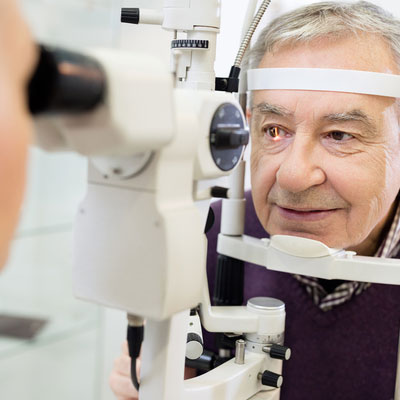
Dilating the pupils involves putting eye drops in the eyes causing the pupils in the eyes to enlarge. The pupil is a window through which the doctor can shine lights and, using special lenses, can see all the way inside the eye. When the pupil is small, it is very difficult to see inside the eye and the doctor can only see about 15 to 20% of the inside of the eye. After the pupils are dilated the doctor is able to see more than 85 or 90% of the retina.
How often should I be dllated?
Our doctors recommend annual dilations to provide the most thorough evaluation for each patient. Patients known to have previous eye issues, such as macular degeneration or previous retinal problems) should be dilated annually. It is also recommended that patients with diabetes, hypertension, cholesterol issues or high amounts of refractive error (nearsightedness, farsightedness, astifmatism) have annual dilations.
My previous doctor took a photos instead of dilation. Is that good enough?
Some offices provide a screening photo of the retina. Most often these screening photos are of only the central part of the eye rather than the entire retina; also, photographs are flat, 2-dimensional and lack the same amount of detail as a dynamic retinal evaluation. For this reason, our doctors recommend thorough retinal examination, through dilated pupils rather than screening photos.
Do kids need dilation?
Yes, kids deserve the most thorough examination possible, which includes dilation and retinal evaluation.
Ask your doctor for more information about retinal health and dilation.
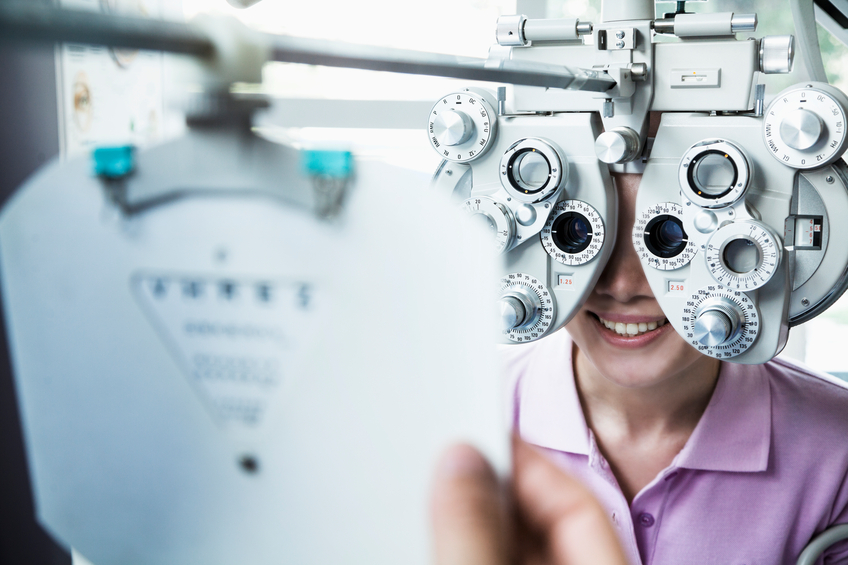
As a fully licensed and equipped optometric practice, Bartlett Vision offers a complete range of eye care services to all our patients.
Whether the eye care issue involves correcting refractive errors with eyeglass or contact lenses, or helping a student find amazing frames, or diagnosing/treating eye conditions and diseases, our experienced team will identify and implement the best eye care solutions for you.
Refraction
Our doctors take the time to determine your most appropriate prescription. Whether you are nearsighted (myopia), farsighted (hyperopia) or you have astigmatism or presbyopia our doctors will perform a careful refraction and present your options for the best vision correction.
Eye Health Evaluation
With our years of experience in diagnosing and treating typical vision disorders such as nearsightedness, farsightedness, amblyopia, presbyopia, cataracts, macular degeneration and diabetic retinopathy, Dr. Kristina Gabrenya and Dr. Carrie Sypherd and their team are equipped to provide appropriate therapeutic medical eye care.
At the same time, the Bartlett Vision team offers a wide array of high quality eye care products at reasonable prices. Our patients never pay too much for the best quality in eyeglasses, contact lenses, sunglasses, progressive and bifocal lenses, and outstanding service.
Treatment of Eye Disease
If you are diagnosed with an eye disease, you want the best treatment available to get your eyes healthy again. At Bartlett Vision, we stay current with best treatment practices. Based on your diagnosis, we may recommend a wide variety of approaches, including improved nutrition, prescription medicines, therapy and vision exercises, or medical procedures.
Good Eyecare Begins With A Yearly Eye Exam!
Although many do not realize it, the best way to protect your vision is with a yearly eye checkup. Even a basic eye exam can instantly detect many health-threatening conditions, such as tumors, vascular irregularities, and diabetes-related injury to the retina. At Bartlett Vision, that basic checkup is brief and painless.
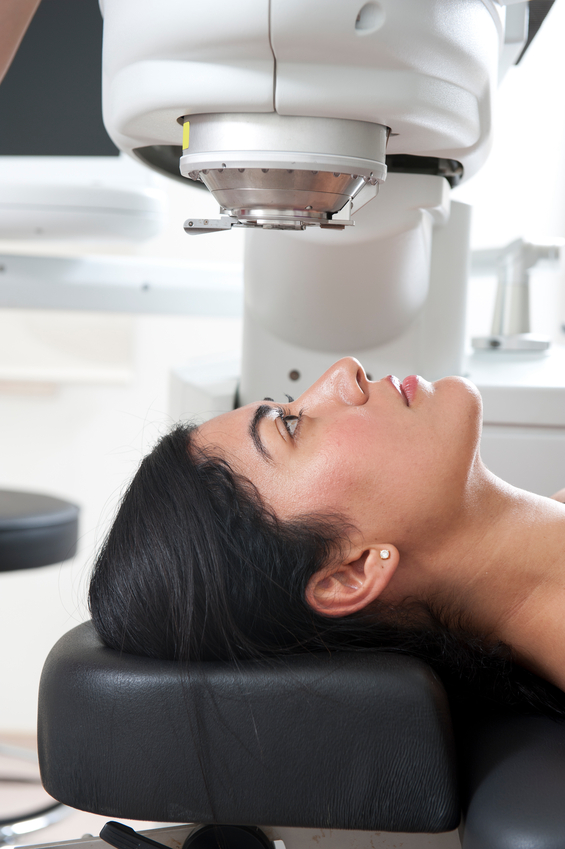
LASIK and PRK are otions for vision which include laser correction with the goal of becoming less reliable on the need for glasses or contact lenses later. Eash procedure uses a laser to reshape the cornea, the front surface of the eye.
Dr. Gabrenya works with several local laser surgery centers. While the surgeon does the procedure, Dr. Gabrenya provides pre-operative and post-operative care right at Bartlett Vision, making it a convenient care option for patients.
Recently, other surgical alternatives have become available. Among these is a technique called phakic IOL implantation which involves implanting a lens behind the cornea, but in front of the iris. With this new option, many of those who were too highly nearsighted for LASIK are now candidates for refractive surgery.
If you are interested in refractive surgery, please let us know. Refractive surgery is not to be taken lightly. Detailed testing is necessary to determine whether or not you are a good candidate and for which laser procedure. If testing shows you to be a good candidate, we can help you choose the refractive surgeon who is most appropriate for your case.
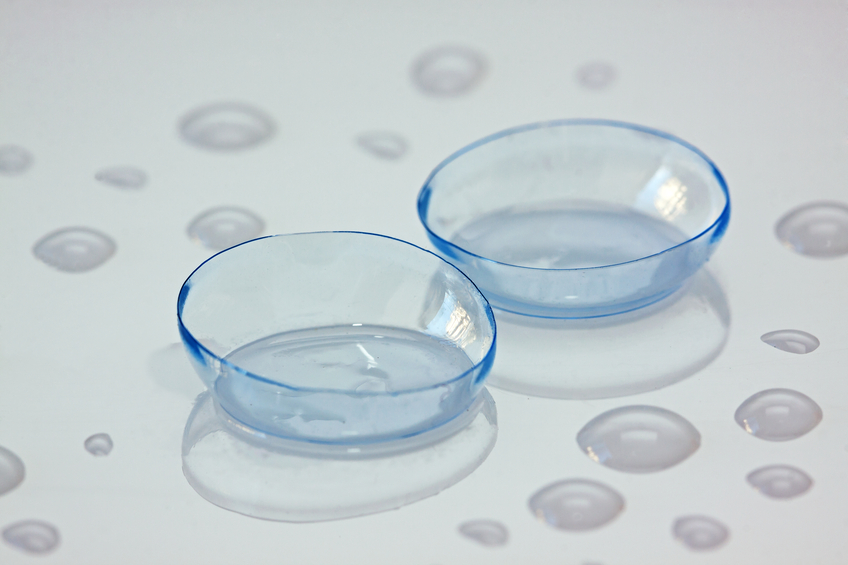
Corneal Refractive Therapy (CRT) is a great advancement in refractive therapy options. CRT allows you to see clearly during the day without glasses or contact lenses. Specially designed therapeutic lenses gently reshape the front surface of your eye while you sleep.
Imagine great vision all day without contacts, glasses, or surgery. No more problems from dust, allergies, or dryness. CRT has also been shown to slow the progression of nearsightedness in children and teenagers.
Previously, if you were nearsighted and wanted to see clearly during the day, your options were glasses, contacts, or laser surgery. CRT offers a non-surgical solution. No more worry about broken frames or torn contact lenses. Additionally, while LASIK is usually recommended only for those over 18 years of age, CRT is ideal for our younger patients who are active in sports and do not like the hassle of glasses or contacts.
For more information on Corneal Refractive Therapy, call today to schedule your FREE CRT consultation or visit Paragon at www.paragoncrt.com.
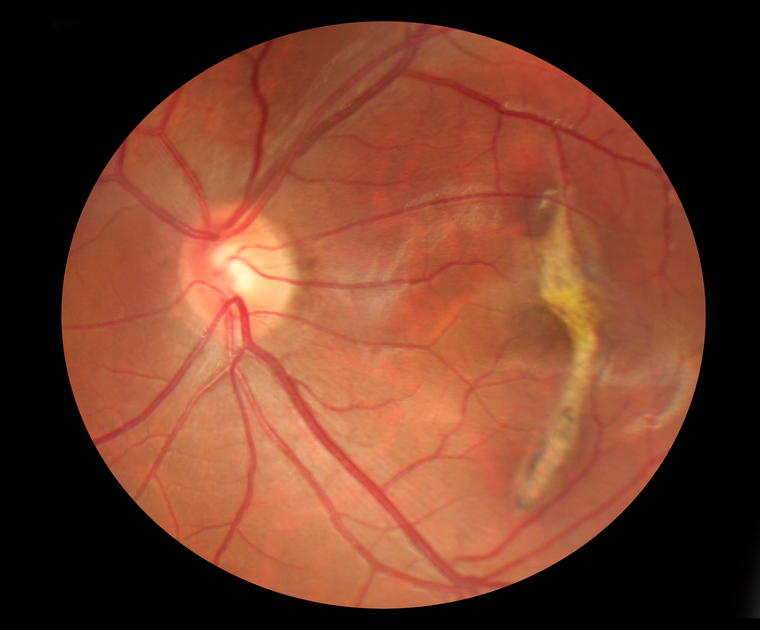
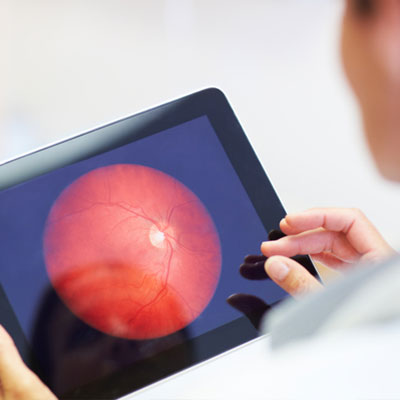
In our continued efforts to bring the most advanced technology available to our patients, Dr. Kristina Gabrenya and Dr. Carrie Sypherd are proud to announce the inclusion of Digital Retinal Imaging as an integral part of your eye exam.
Many eye problems can develop without warning and progress with no symptoms. Early on, you might not notice any change in your vision. However, diseases such as macular degeneration, glaucoma, retinal tears or detachments, as well as other health problems such as diabetes and high blood pressure, can be detected with a thorough exam of the retina. The retina is the part of your eye that catches the image of what you are looking at, similar to the film in a camera.
A Digital Retinal Exam provides:
- A scan to confirm a healthy eye or detect the presence of disease.
- An overview or map of the retina, giving your doctors a more detailed view than they can achieve by other means.
- The opportunity for you to view and discuss the images of your eye with your doctor at the time of your exam.
- A permanent record for your medical file, enabling our doctors to make important comparisons if potential problems show themselves at a future examination.
- Retinal imaging is non-invasive. Nothing touches your eye, we are simply taking a photograph. It is not an X-ray.
Ask Dr. Kristina Gabrenya and Dr. Carrie Sypherd or our staff about Digital Retinal Imaging at your next exam!